7 Day Diet Plan for Weight Loss: A Practical Healthy Meal Plan
7 Day Diet Plan for Weight Loss: A Practical Healthy Meal Plan
Looking for a 7 day diet plan for weight loss that is simple, practical and easy to follow?
A good weight-management diet does not need to mean starving yourself, skipping every carbohydrate or eating only salads. A sustainable approach focuses on balanced meals, appropriate portions, protein, vegetables, fruits, whole grains, hydration and regular physical activity.
This seven-day meal plan is designed as a general example of healthy eating, with familiar Indian food options that can be adapted to individual dietary preferences.
It is not intended to promise a specific amount of weight loss in seven days. Body-weight changes vary between individuals and can be influenced by food intake, activity, sleep, hydration and other factors.
What Makes a Good Weight-Loss Diet?
A useful diet plan should be realistic enough to follow beyond one week.
Instead of focusing only on calories, build meals around:
Vegetables
Whole fruits
Protein-rich foods
Whole grains
Beans and lentils
Appropriate portions
Water and other suitable low-calorie beverages
The goal is to create meals that are nutritious and satisfying while avoiding unnecessary excess calories.
7 Day Diet Plan for Weight Loss
Here is a simple example.
Day 1 — Start Simple
Early morning
Water
Unsweetened tea or another preferred beverage if desired
Breakfast
Vegetable poha
A serving of curd or another protein-rich option
Mid-morning
One whole fruit such as an apple or guava
Lunch
2 small rotis
Dal
Mixed vegetable sabzi
Salad
Evening snack
Roasted chana
Unsweetened tea
Dinner
Vegetable soup
Paneer/tofu or another protein source
Mixed vegetables
Activity: 20–30 minutes of walking.
Day 2 — Increase Protein and Vegetables
Breakfast
Vegetable upma
Curd or another suitable protein source
Mid-morning
Papaya or another whole fruit
Lunch
Brown rice or an appropriate portion of regular rice
Rajma or chole
Vegetable salad
Evening snack
A small serving of nuts
Water or unsweetened beverage
Dinner
2 small rotis
Vegetable sabzi
Dal or another protein source
Activity: Walking plus light stretching.
Day 3 — Focus on Balanced Portions
Breakfast
2 eggs with vegetables, or a vegetarian protein alternative
One small portion of whole-grain toast/roti
Mid-morning
Orange, guava or another whole fruit
Lunch
2 small rotis
Dal
Vegetable sabzi
Salad
Evening snack
Roasted makhana or roasted chana
Dinner
Moong dal khichdi with vegetables
Curd if suitable
Activity: 30 minutes of moderate walking.
Day 4 — Add More Fiber-Rich Foods
Breakfast
Vegetable oats or dalia
Curd or another protein source
Mid-morning
One whole fruit
Lunch
2 small rotis
Chana or dal
Large serving of vegetables
Salad
Evening snack
Sprouts or roasted chana
Dinner
Paneer/tofu vegetable bowl
Soup or vegetables
Activity: Walking plus beginner strength exercises if appropriate.
Day 5 — Keep Meals Satisfying
Breakfast
Moong dal chilla
Curd
Mid-morning
Apple, guava or papaya
Lunch
Rice in an appropriate portion
Dal
Vegetable sabzi
Salad
Evening snack
Nuts or roasted chana
Dinner
2 small rotis
Paneer/tofu or another protein source
Cooked vegetables
Activity: 30–40 minutes of walking or another enjoyable activity.
Day 6 — Keep It Practical
Breakfast
Vegetable poha/upma
Protein-rich side
Mid-morning
Whole fruit
Lunch
2 small rotis
Dal
Vegetable sabzi
Salad
Evening snack
Unsweetened tea
Roasted makhana or chana
Dinner
Vegetable khichdi
Curd if suitable
Activity: Walking and normal daily movement.
Day 7 — Review and Continue
Breakfast
Vegetable omelette with eggs, or a vegetarian protein alternative
Small whole-grain serving
Mid-morning
Whole fruit
Lunch
2 small rotis
Dal or beans
Mixed vegetables
Salad
Evening snack
Nuts or roasted chana
Dinner
Light vegetable meal
Protein source such as paneer, tofu, dal or another suitable option
Activity: 30 minutes of walking.
What Can You Drink During a 7 Day Diet?
Water should be your primary beverage.
You can also consider suitable unsweetened beverages according to your preferences.
Try to reduce:
Soft drinks
Sugary packaged beverages
Sweetened tea and coffee
Excessive fruit juice
High-calorie specialty drinks
You do not need to rely on detox drinks or special beverages to follow a healthy diet.
How Much Food Should You Eat?
There is no single portion size that works for everyone.
Your nutritional requirements can vary depending on factors such as:
Age
Sex
Height
Weight
Activity level
Existing health conditions
Personal goals
Instead of following an extremely restrictive meal plan, pay attention to portion sizes and build balanced meals.
A simple plate approach can be useful:
More vegetables + appropriate protein + appropriate whole-grain/starchy food + suitable portion size
Foods to Include in a Weight-Loss Diet
A healthy eating pattern can include a wide variety of foods.
Vegetables
Spinach
Carrots
Cucumber
Tomatoes
Cauliflower
Broccoli
Beans
Seasonal vegetables
Protein Sources
Dal
Chana
Rajma
Eggs
Paneer
Tofu
Curd
Fish
Lean meat
Whole-Grain Options
Oats
Dalia
Whole-wheat roti
Brown rice
Other minimally processed whole grains
Fruits
Apple
Guava
Orange
Papaya
Pomegranate
Seasonal fruits
Whole fruits can be a useful part of a balanced diet.
Foods to Limit
You don't have to completely ban foods from your diet.
However, frequent consumption of foods and drinks high in added sugar, excess calories, saturated fat or sodium can make weight management more difficult.
Consider limiting:
Sugary drinks
Deep-fried foods
Frequent sweets
Highly processed snacks
Large portions of refined carbohydrates
Excessive alcohol
Frequent late-night snacking
The focus should be on your overall eating pattern rather than one individual food.
Can You Eat Rice During Weight Loss?
Yes.
You don't automatically need to eliminate rice to manage your weight.
The amount you eat matters, as does what you eat with it.
For example, rice combined with dal, vegetables and a suitable protein source can be part of a balanced meal.
The same principle applies to roti and other carbohydrate-containing foods.
Can You Eat Roti During Weight Loss?
Yes.
Whole-wheat roti can fit into a balanced eating pattern.
Instead of focusing on completely eliminating roti, pay attention to:
Portion size
What you eat with it
Overall daily food intake
Your activity level
A meal containing roti, dal, vegetables and a protein source can be much more balanced than an extremely restrictive meal.
Is Breakfast Necessary for Weight Loss?
There is no universal rule that everyone must eat breakfast to lose weight.
Some people prefer breakfast, while others follow eating patterns that involve a later first meal.
What matters is the overall quality and quantity of your food intake and whether your eating pattern works for your lifestyle and nutritional needs.
If breakfast helps you avoid excessive hunger and uncontrolled snacking later in the day, a balanced breakfast may be useful.
What About Snacks?
Snacks are not automatically bad.
The problem is often frequent, high-calorie snacking without considering hunger or portion size.
Better snack options can include:
Whole fruit
Roasted chana
Makhana
Unsalted or lightly salted nuts
Sprouts
Plain curd
Choose portions that fit your overall dietary needs.
Combine Your Diet With Physical Activity
Diet is only one part of weight management.
Try to incorporate regular physical activity into your week.
Examples include:
Walking
Cycling
Swimming
Dancing
Running
Strength training
Sports
Other activities you enjoy
For generally healthy adults, commonly cited physical-activity guidelines recommend at least 150 minutes of moderate-intensity aerobic activity per week, together with muscle-strengthening activities on at least two days per week.
If you are currently inactive or have a medical condition, gradually increase activity and seek professional guidance when appropriate.
Don't Ignore Sleep
Your seven-day diet plan should also include a sleep routine.
Try to:
Maintain consistent sleep and wake times
Reduce unnecessary screen use before bed
Avoid excessive caffeine late in the day
Keep your sleeping environment comfortable
Aim for sufficient sleep
Weight management is not simply about food.
Your daily lifestyle matters too.
Can Ayurvedic Products Be Included in a Weight-Management Routine?
Some people choose Ayurvedic products as complementary support for their wellness routine.
However, supplements should not replace nutritious food, regular physical activity or professional medical care.
If you are considering an Ayurvedic product, review its ingredients and directions carefully.
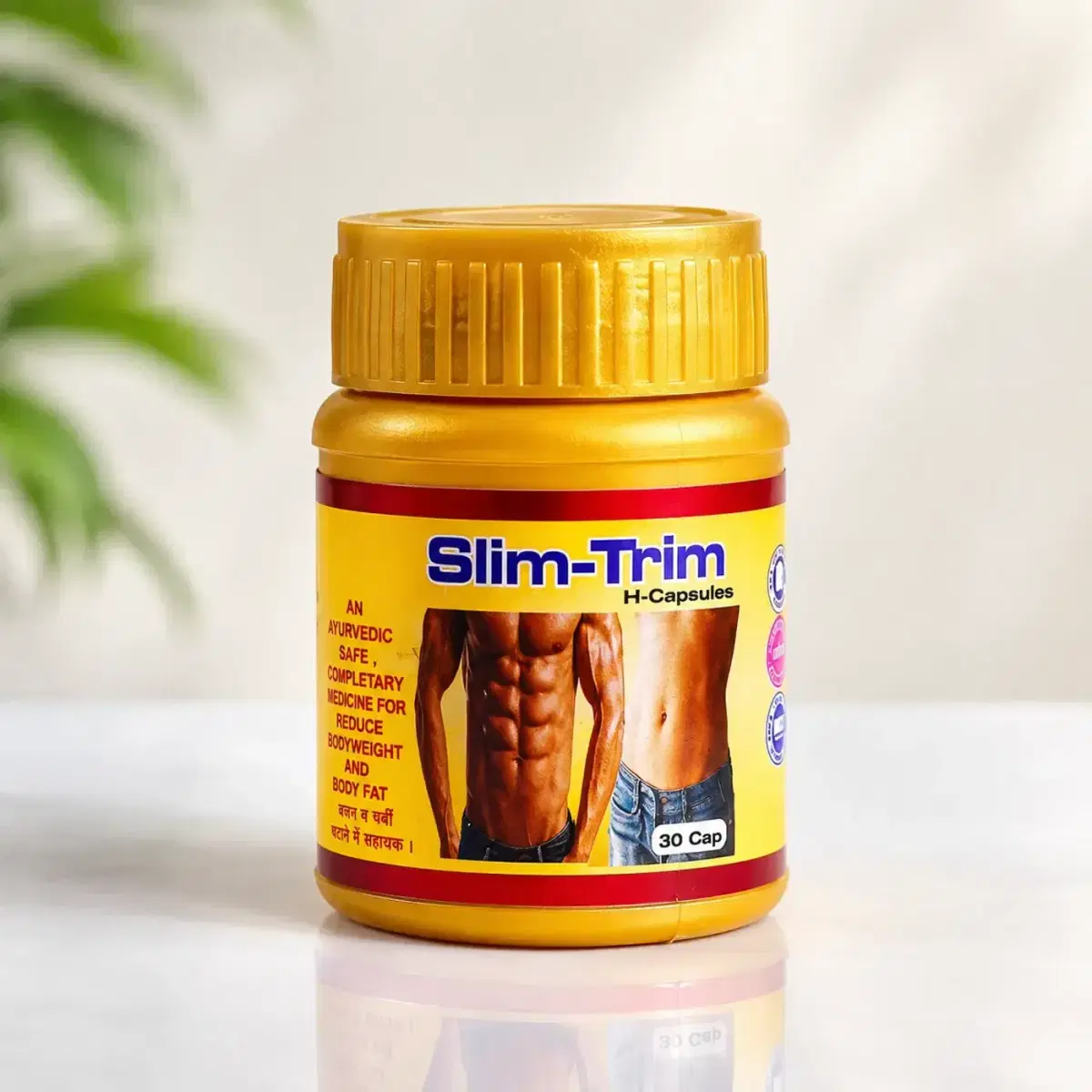
Slim Trim H Capsules
Quikdu offers Slim Trim H Capsules, an Ayurvedic product listed for weight-management-related support.
The product listing identifies ingredients including Punarnava extract, Medohar Guggul and Arogyavardhini.
You can review the product details, ingredients, directions and other available information here:
Slim Trim H should not be presented as a guaranteed method of losing a particular amount of weight in seven days. Individual results can vary.
If you take medication, have an existing health condition, are pregnant or breastfeeding, or are unsure whether a supplement is appropriate for you, consult a qualified healthcare professional before use.
7-Day Weight-Loss Checklist
Use this checklist throughout the week:
Eat balanced meals
Include vegetables every day
Include a protein source with meals
Choose whole fruits
Drink water regularly
Reduce sugary drinks
Limit unnecessary snacking
Walk or exercise regularly
Get adequate sleep
Track your habits
Avoid extreme dieting
The objective isn't to complete a perfect seven-day diet.
The objective is to establish habits that you can continue.
What Should You Do After the 7 Days?
Don't treat the end of the seven days as the end of your diet.
Instead, ask:
Which habits can I continue?
Perhaps you discovered that:
Walking after dinner works for you.
You don't miss sugary drinks.
Eating more protein keeps you satisfied.
Meal preparation reduces unhealthy snacking.
A consistent sleep schedule improves your routine.
Keep those habits and gradually improve the areas that need attention.
A sustainable approach is more useful than repeatedly following short-term crash diets.
Frequently Asked Questions
Is a 7 day diet plan enough to lose weight?
Seven days can help you start healthier eating and activity habits, but meaningful long-term weight management generally requires consistency over a longer period. The amount of weight that changes during one week varies between individuals.
How many calories should I eat to lose weight?
There is no single calorie target suitable for everyone. Your energy requirements depend on factors such as age, sex, height, weight, activity and health status. A qualified dietitian or healthcare professional can help determine an appropriate target.
Can I eat Indian food while trying to lose weight?
Yes. Indian foods such as dal, roti, vegetables, beans, curd, rice, paneer and other traditional foods can fit into a balanced eating pattern. Portion sizes and the overall composition of your diet matter.
Can I eat rice during a weight-loss diet?
Yes. Rice can be part of a balanced diet. Consider an appropriate portion and combine it with vegetables, protein and other nutritious foods.
Can I lose weight without starving?
Yes. A healthy weight-management approach does not require starvation. Focus on balanced, nutritious meals, appropriate portions, regular physical activity and sustainable habits.
Should I completely stop eating carbohydrates?
Not necessarily. Carbohydrates are found in many nutritious foods, including fruits, vegetables, legumes and whole grains. Rather than eliminating carbohydrates completely, focus on food quality and appropriate portions.
Are weight-loss supplements necessary?
No supplement is necessary for everyone. Weight management can be approached through nutrition, physical activity, sleep and lifestyle changes. If you choose to use a supplement, consider its ingredients, directions and suitability for your circumstances.
Final Thoughts
A 7 day diet plan for weight loss should be the beginning of healthier habits, not a crash diet.
Build your week around:
Balanced food → appropriate portions → regular movement → hydration → good sleep → consistency.
Don't measure success only by the number on the weighing scale.
Use the seven days to discover which habits work for your lifestyle and then continue them.
If you are interested in Ayurvedic weight-management support, you can learn more about Slim Trim H Capsules on Quikdu, while keeping healthy nutrition and physical activity at the center of your routine.


Comments
Post a Comment